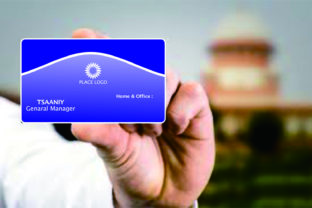
Name Card Design for Print Templates and Graphics
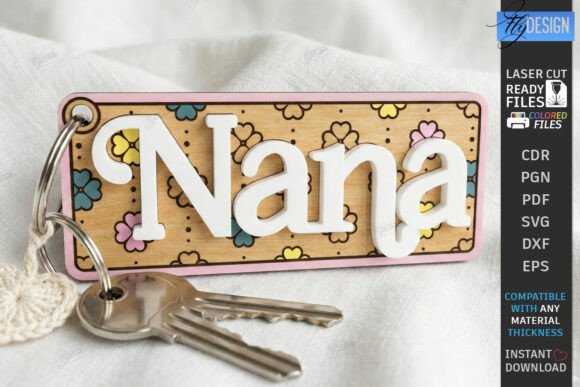
As a brand designer and content marketer, I recently came across the Name Card design asset and immediately saw its potential in real-world marketing scenarios. This graphic design asset is available in SVG, JPG, and EPS formats, making it highly versatile for various branding and visual communication needs. While the mockup isn’t included, the core design itself is a solid foundation for creative projects.
First Impressions and Emotional Tone
The first thing that caught my eye about Name Card was its clean layout and subtle use of color. It exudes a professional yet approachable vibe, which makes it ideal for small business branding or lifestyle content. The mood it creates is modern and minimal, which can influence audience perception by conveying reliability and simplicity. This makes it well-suited for casual branding, handmade products, or event promotions where a friendly yet polished look is needed.
However, if you're aiming for a more premium or high-end feel, this design might need to be paired with richer visuals or layered with additional brand elements. Still, for most small businesses or content creators, it brings a strong sense of clarity and visual consistency.
Performance in Real Marketing and Branding Situations
Name Card can be a valuable tool in several marketing and branding contexts. Here are some practical applications:
- Brand Identity: Use it as part of your brand identity kit to maintain visual consistency across all touchpoints.
- Packaging Design: Incorporate it into product labels or packaging inserts to reinforce brand presence without overwhelming the design.
- Social Media Graphics: Perfect for Instagram posts, Pinterest pins, or Facebook ads where a clean, recognizable visual helps stand out in feeds.
- Email Banners: Create cohesive email campaigns with this design as a header or decorative element.
- Editorial Design: Use it in blog graphics or media kits to enhance readability and visual appeal.
Its versatility allows it to fit seamlessly into a wide range of digital and print templates, from Canva templates to printable promotions. Whether you're building a content kit or designing lead magnets, Name Card offers a professional appearance that supports your marketing goals effectively.
Supporting Marketing Goals with Name Card
When used strategically, Name Card can help achieve several key marketing objectives:
- Stronger First Impression: Its clean design ensures your brand stands out instantly.
- Clearer Visual Hierarchy: The layout helps guide the viewer’s attention to important information.
- More Consistent Branding: Using this design across multiple channels reinforces your brand identity.
- Better Audience Trust: A professional look builds credibility and trust with your target audience.
- Improved Engagement: Eye-catching visuals encourage interaction, especially on social media platforms.
By integrating Name Card into your campaign visuals, you create a more memorable experience for your audience, leading to stronger recognition and emotional connection with your brand.
Where Name Card Works Best
This design shines in situations where a subtle yet impactful visual is needed. Some of the best use cases include:
- Hero Graphics: As a main visual in landing pages or website headers.
- Campaign Headers: To introduce new product launches or seasonal offers.
- Social Media Covers: For consistent branding across platforms like Instagram or Facebook.
- Promotional Banners: In digital ads or website banners where a quick visual impact matters.
- Decorative Brand Elements: Used sparingly to add visual interest without overpowering other content.
It's also great for creating branded templates, editorial layouts, or content bundles that support a cohesive visual narrative across your marketing materials.
Where to Use It with Caution
While Name Card is a strong design asset, there are situations where it may not be the best choice:
- Formal Corporate Branding: If your brand requires a more traditional or formal look, consider pairing it with additional elements.
- Dense Information Layouts: Avoid using it in designs that are text-heavy or require a lot of detail.
- Small Mobile Graphics: Test how it appears on mobile screens to ensure readability and visual impact.
- Low-Contrast Backgrounds: Make sure the design remains visible against different backgrounds.
- Overly Minimal Brands: If your brand already uses a very simple style, this design could clash unless carefully balanced.
Always test it in context before finalizing your campaign to ensure it aligns with your overall brand strategy.
Practical Brand Designer Notes
Before using Name Card in any paid campaign or client work, keep these tips in mind:
- Test with Your Brand Color Palette: Ensure the design complements your existing colors.
- Check Black and White Usage: Confirm that it still works effectively in grayscale.
- Place It Inside Real Campaign Mockups: See how it looks in actual marketing scenarios.
- Preview on Mobile Screens: Make sure it scales well and maintains clarity.
- Test Readability in Small Sizes: Especially if it will appear in thumbnails or social media feeds.
- Compare Against Competitor Visuals: Ensure it stands out while maintaining professionalism.
- Review Font Pairings: Check how it pairs with serif, sans serif, script, handwritten, and display fonts.
- Confirm Commercial Licensing: Always verify that you have the right to use this design in commercial projects.
Name Card is a powerful graphic design asset that can elevate your marketing visuals when used thoughtfully. Whether you're promoting a seasonal offer, launching a new product, or refreshing your brand's social media presence, this design provides a strong foundation for creating professional, engaging, and visually consistent content.