Line Art Poster Flying Bird Review
As a designer who has spent years turning digital concepts into stitched reality, I know that the difference between a good product and a great one often comes down to the details. Today, I am evaluating a specific design asset called Line Art Poster Flying Bird. This isn't just about looking at a pretty picture; it is about understanding how this illustration behaves when transferred from a screen to fabric via machine embroidery. Whether you are an Etsy seller preparing a new shop launch or a hobbyist making a personalized gift for a baby shower, the practical application of this file matters more than its aesthetic appeal alone.
The First Impression: Mood and Visual Personality
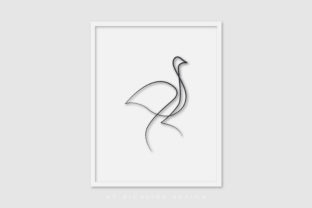
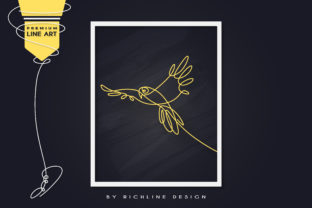
When you first open the Line Art Poster Flying Bird, the immediate feeling is one of freedom and grace. The line art style creates a clean, modern silhouette that feels light and airy. Unlike dense fill designs that can feel heavy on a garment, this piece relies on the elegance of continuous strokes to convey movement. It suggests a bird in mid-flight, capturing a moment of transition rather than a static pose. For a creative entrepreneur, this mood is versatile. It works perfectly for spring collections, wellness brands, or any project aiming for a minimalist yet sophisticated look. The visual personality is uncluttered, which is a massive advantage when you want the embroidery thread itself to be the star of the show without competing with complex background patterns.
Real-World Application: From Screen to Stitch
I recently put this design to the test by planning a custom embroidered tote bag for a local craft fair. My goal was to create a high-quality handmade product that would stand out on a busy table full of similar items. I envisioned the Line Art Poster Flying Bird centered on a natural canvas tote. The challenge here is translating the crisp lines of the original graphic into thread without losing that delicate definition. In real-life scenarios like this, the success of the final product depends heavily on how well the design handles stitch density and thread contrast.
For apparel decorators working on sweatshirt embroidery, this design offers a unique opportunity. A large-scale version on a chest pocket could serve as a subtle brand mark, while a smaller iteration might work beautifully on the sleeve. When considering baby embroidery, such as on a onesie or a blanket, the soft lines of the bird avoid the harshness that sometimes comes with blocky lettering or thick outlines. It adds a touch of whimsy that parents love for nursery decor. Similarly, for those creating holiday gifts, this motif fits seamlessly into winter or New Year collections where themes of flight, hope, and new beginnings are prevalent.
The versatility extends to home goods as well. Imagine this design stitched onto a linen tea towel or a pillow cover for a boutique hotel lobby. The simplicity allows it to blend with various interior styles, from farmhouse chic to contemporary industrial. As a digital product seller, offering this as part of a larger set of graphics can attract buyers looking for clean, scalable assets for their own projects. The key is recognizing that this is not just an image; it is a foundational element for a finished product that needs to hold up under scrutiny.
Where to Exercise Caution
While the Line Art Poster Flying Bird is a strong candidate for many applications, there are specific situations where caution is required. If you are working with small hoop sizes, the fine lines might get lost if the digitization does not account for the limited space. Textured fabrics, such as heavy boucle or nubby knits, can obscure the delicate curves of the line art, making the bird look muddy rather than defined. Thin or stretchy fabrics present another hurdle; without proper stabilizer support, the tension required to pull the threads tight enough to define the lines could cause the fabric to pucker significantly.
Dark fabrics require careful consideration regarding thread colors. If the background is black or navy, using a white or light thread will make the design pop, but it also highlights every imperfection in the stitching. Conversely, on dark backgrounds, a darker thread might disappear entirely, defeating the purpose of the illustration. Layered garments, like hoodies with multiple pockets, can make positioning difficult, and curved surfaces like caps demand a design that follows the contour of the hat without distorting the bird's shape. Detailed corners and tiny lettering, if included, should be avoided unless the machine is capable of high precision. Finally, products that need frequent washing, such as kitchen towels or children's clothes, require robust stitching techniques to ensure the design remains intact after repeated cycles.
Impact on Brand and Customer Trust
The quality of your embroidery directly influences customer trust and perceived value. A poorly executed Line Art Poster Flying Bird can look cheap and amateurish, damaging the reputation of a small business owner or craft business. However, when executed correctly, the clean lines elevate the entire item. It signals professionalism and attention to detail. For an Etsy seller, this distinction can be the difference between a casual browse and a confident purchase. Customers are willing to pay a premium for a handmade product that looks polished and intentional. The design acts as a visual anchor, reinforcing brand consistency across different items like patches, aprons, and custom apparel. When buyers see a clear, well-stitched bird, they associate that clarity with the quality of the materials and the care taken in the creation process.
Practical Designer Notes for Success
Before committing to a production run, I strongly advise testing the design on scrap fabric first. This step is non-negotiable for any serious embroidery project. You need to check thread color contrast against your chosen fabric texture to ensure visibility. Review the stitch density to prevent puckering, especially if you are using satin stitch for the outlines. Confirm that the hoop size matches your intended layout; a design that looks perfect on a computer screen might be too wide for a standard 4x4 hoop. Inspect small details closely to ensure they do not break apart during stitching.
It is also wise to test the design in black and white mockups before sewing. This helps visualize the negative space and ensures the composition holds up without the distraction of color. Compare how the design looks on both light and dark fabric backgrounds to determine the best thread palette. Always use proper stabilizer to support the fabric during the stitching process. Furthermore, verify whether the design works for both personal and commercial projects. Check the licensing terms carefully before selling finished items or digital products derived from the embroidery file. If the original description mentions SVG files or Adobe Illustrator formats, ensure you have the necessary software to adjust the scale and orientation for your specific machine.
In conclusion, the Line Art Poster Flying Bird is a compelling asset for anyone looking to add a touch of elegance to their embroidery projects. Its clean aesthetic makes it suitable for a wide range of uses, from custom apparel to boutique branding. By approaching it with a critical eye and following practical testing protocols, you can transform this digital illustration into a stunning finished product that delights customers and strengthens your brand identity. Whether you are creating a personalized gift or expanding your craft business inventory, this design offers a solid foundation for creativity and quality.